
The Risks of Leaving Your Nigerian Property Unattended
Discover the financial and structural risks of unattended properties and how property supervision services in Nigeria mitigate them.
Opeyemi Adejumo
3/1/20264 min read
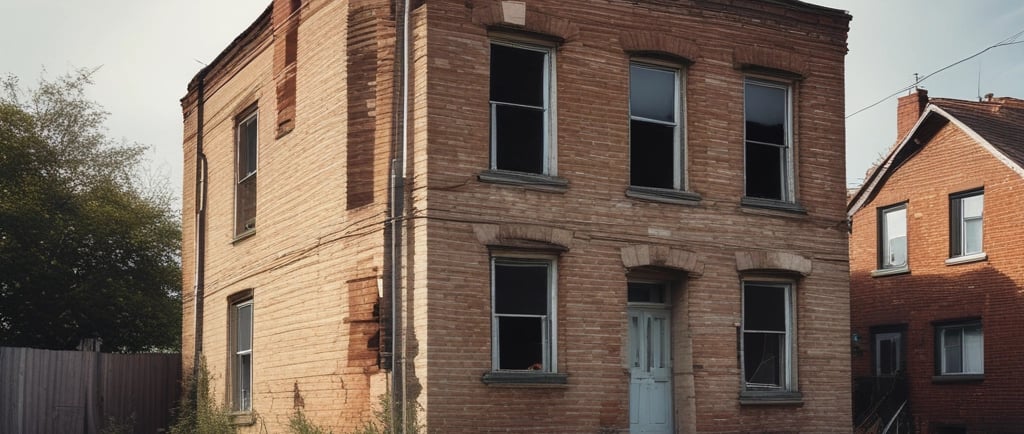
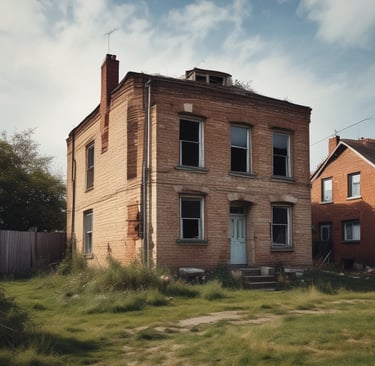
Increased Vulnerability to Theft and Vandalism
The risks associated with leaving property unattended in Nigeria are significant, particularly concerning theft and vandalism. Properties that are not actively monitored or cared for are frequently seen as prime targets by criminals. In urban areas, statistics indicate that nearly 40% of burglary incidents occur in vacant buildings, underscoring the heightened vulnerability faced by properties that lack occupancy.
Common scenarios leading to theft often involve abandoned or inadequately secured properties. For instance, there have been numerous reports of break-ins where thieves exploit weak points, such as broken gates, windows, or inadequate fencing. When properties remain uninhabited, they begin to show signs of neglect, further attracting criminals who perceive them as low-risk opportunities. Such vulnerabilities are not only limited to residential homes but extend to commercial spaces that have gone unattended, making them susceptible to vandalism and property damage.
Investigating the motivations behind these crimes reveals a mixture of economic hardship and opportunism, which further exacerbates the problem. Many criminals are driven by the need for quick monetary gain or the allure of valuable items left behind in vacant properties. Additionally, the absence of tenants or property managers increases the likelihood that no one will intervene or report suspicious activities, allowing unlawful acts to go unchecked.
Consequently, protecting property in Nigeria requires understanding the environmental factors that contribute to theft and vandalism. Strategies to mitigate these risks include regular surveillance or property management, enhancing security measures, and fostering community awareness. Such proactive approaches are essential to reduce the likelihood of properties becoming targets for criminal activity.
Deterioration and Environmental Damage
Properties that remain unattended are susceptible to a decline in their physical condition due to various environmental and maintenance-related factors. In Nigeria, the effects of weather, including intense rains, high humidity, and prolonged exposure to sunlight, can significantly contribute to the deterioration of buildings. The lack of regular maintenance exacerbates these issues, causing structures to degrade faster than they might in a well-maintained context.
Water intrusion from rainfall can result in serious problems such as mold growth, rot in wooden structures, and damage to electrical systems. The humid climate can create an ideal environment for pests, including termites, which can compromise the structural integrity of a home. If left unchecked, such infestations can lead to expansive damage that ultimately requires extensive and costly repairs.
Moreover, when properties are neglected, the landscaping and surrounding environment may also suffer. Overgrown vegetation can lead to obstructions and potential property damage, while the risk of soil erosion becomes more pronounced with unchecked rainfall and poor drainage systems. All of these factors can significantly impede the resale value of a property.
Financially, the implications of neglecting property maintenance can be quite severe. Homeowners may initially perceive a lack of maintenance as a cost-saving measure; however, long-term repercussions can include expensive repairs, decreased property appeal, and ultimately, a reduction in overall market value. Investing in regular maintenance and care is imperative to preserve the integrity of the property and minimize future financial burdens. Therefore, addressing these environmental challenges proactively is crucial for property owners in Nigeria.
Legal Risks and Liability Issues
Leaving a property unattended in Nigeria can precipitate a series of legal complications that are not only costly but time-consuming. One of the foremost concerns is the potential for property disputes. Unattended properties can attract the interest of unscrupulous individuals who may claim ownership through adverse possession. In Nigeria, the law recognizes the rights of squatters who occupy land without the owner's consent for a specified duration. Such scenarios can lead to lengthy court battles as original owners seek to reclaim possession.
Additionally, unattended properties often face issues related to maintenance and safety. If an unattended building becomes a hazard or an attraction for vandalism, liabilities may arise. For instance, in the event of an accident occurring on the property—such as a collapse or injury to an intruder—the owner could be held liable for negligence. This can lead to legal actions where the owner is compelled to pay compensation, regardless of whether they were aware of the trespass.
Furthermore, maintaining legal ownership and ensuring the legality of any actions taken regarding the property becomes a challenge when it is not actively managed. Uninformed decisions by caretakers or even neighbors can lead to disputes that complicate ownership status, especially in areas where land title documentation is prone to administrative errors. This underscores the necessity for ongoing management, which can aid in preserving the property's legal status and ensuring that any claims of ownership are appropriately contested.
In conclusion, the implications of leaving property unattended in Nigeria extend beyond mere neglect to encompass serious legal ramifications that can severely affect ownership rights and financial liabilities. Owners must remain vigilant and proactive to mitigate these risks and safeguard their interests.
Impact on Resale Value and Investment Potential
Leaving a property unattended can substantially diminish its resale value and investment potential, particularly in competitive real estate markets such as Nigeria. When a property is neglected, it can suffer from physical deterioration, resulting in significant expenses for repairs and maintenance that prospective buyers may not be willing to absorb.
The condition of a property plays a critical role in shaping market perceptions. Investors often evaluate properties based not solely on the asking price, but also on the overall state of the investment. An unattended property can signal to potential buyers that it may require extensive repair work, deterring those looking for a quality investment.
Moreover, the aesthetics of a property can degrade significantly if it is not maintained. Overgrown gardens, peeling paint, or broken windows can create a negative impression, leading to decreased interest from prospective buyers and lower offers. This phenomenon is especially relevant in areas where curb appeal can influence buyer decisions.
To mitigate the adverse effects of neglect on property value, property owners should consider implementing regular maintenance routines, even if the property is not occupied. Basic upkeep, such as lawn care, routine inspections, and minor repairs can help sustain a property's market attractiveness. Investing in quality security systems can also protect against vandalism and deter unauthorized access, further preserving the property's integrity.
In conclusion, the choice to leave Nigerian property unattended can lead to a decline in both resale value and attraction to potential investors. By prioritizing regular maintenance and care, property owners can safeguard their investments and ensure they remain appealing in an increasingly discerning market.